A fitting quote for plug-in solar from an electrician near you, in four questions.
Plugging the panel in is something most people do themselves. What needs an electrician is a socket outside, or a change to the circuit. Answer four questions and we'll match you with someone local who's read the new rules. If your surface isn't covered by the planning rules, we'll say so before anyone quotes.
- We check the planning rules before a quote is given
- Quotes come from electricians, not from us
- If your surface won't work, you'll hear that first
Four questions, then a quote
Where the panel would go, whether the socket is outdoors, how old the wiring is, and your postcode. Then we match you with a local electrician.
Step 1 of 4
We reply by email with a name and a quote. We don't pass your details to panel sellers.
What needs an electrician, and what doesn't
The product specification draws the line itself. It is written for a device anyone can fit, and it is just as clear about the parts that are not yours to touch.
Yours to do
- Connect a compliant device to a socket that is already sound.
- Buy the single unit version and it turns up wired end to end, inverter included.
- A two component kit only needs the panel joined to the inverter.
- No certificate and no competent person scheme for this part.
An electrician's job
- Fitting an outdoor socket, which has to carry an IP55 rating or better.
- Changing the circuit's protective device, under BS 7671 Section 551.7.2.
- A socket you are unsure about. Never connect to one that is damaged or degraded.
- An assessment where your panels add up to more than 960 watts.
The outdoor socket, and why it's the usual job
IP55 means the fitting is sealed against dust and can take a jet of water, which is what a socket needs if it sits outside in British weather. Few houses already have one in the right place, which is why this is the job we send out most.
Where the cabling runs from outdoors into the house, the manufacturer has to supply the connectors and the routing instructions. What it must never be plugged into is an extension lead, a multi-way adaptor, an RCD adaptor or a travel adaptor, a rule printed on the case and repeated inside the box it comes in.
Timber balconies and cladding aren't covered by England's planning rules
Since the right was rewritten on 27 August 2026, timber has been the surface it will not reach: a wooden wall, a balcony built from it, or cladding over the top of it, on a house or a block of flats alike. Anyone still relying on the old wording gets until 27 August 2027 to switch over, a year built in on purpose.
Nearly every seller in this market markets these as balcony kits regardless. Own a timber one and that permitted development right simply is not available to you; a planning application rarely pays for itself against what the kit costs. Which is exactly why our first question is about the surface, not your postcode.
The Planning Portal sets this out on its own solar equipment page for houses and blocks of flats; we last opened it on 13 September 2026.
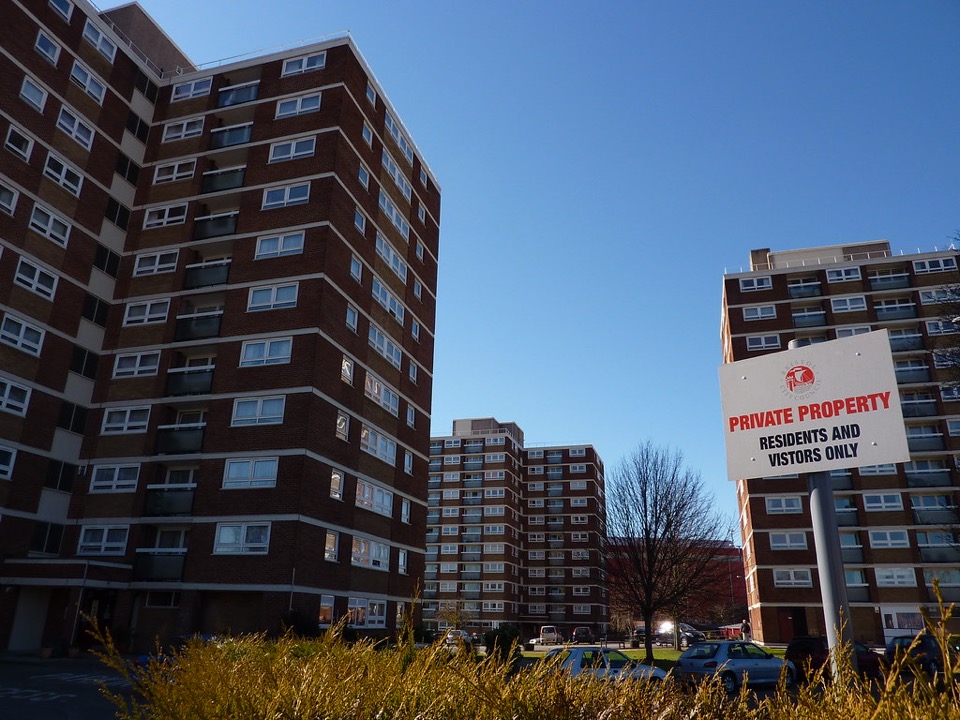
Where a panel could go on your home
The right sets limits you can measure. On a surface that fronts a highway nothing may sit more than 200 mm proud of it; on any other surface you get 400 mm. A pitched roof needs to stay under the ridge line, no more than 200 mm proud of the tiles. Flat roofs get more room: up to 600 mm above the surface.
Telling your network operator is your job, and we help with it
Within 28 days of installation, you tell your distribution network operator: your name, an email address, and the address the device is installed at. The government describes it as a short online form taking five to ten minutes. It is a Great Britain system, so the operator depends on where you live.
North and south Scotland answer to two different operators. Greater Manchester and Lancashire fall under Electricity North West, yet drive a little further into Merseyside, Cheshire or North Wales and SP Manweb takes over instead. The South East cannot be pinned on one company either, since two share it between them. None of that matters if you just ring 105: free, from anywhere in England, Scotland or Wales, and it puts you straight through to whoever actually runs the cables outside your house. A name worth knowing if you meet it: some older Ofgem paperwork still calls one of these operators Western Power Distribution, a label it dropped in 2022 when it became National Grid Electricity Distribution.
Questions people ask before they get a quote
Do I need an electrician to plug it in?
Not for the panel itself. The rules behind it assume a homeowner with no training can fit it safely. Where an electrician earns their fee is the outdoor socket, a change to the circuit, or a socket you are not confident about.
Can I use an extension lead outside instead?
No. Extension cables, multi-way blocks, RCD adaptors and travel adaptors are all off limits with these devices, a rule that shows up twice: printed on the case, then repeated inside the instructions.
Can I put a panel on my balcony?
Only if it is not built from timber. England stopped covering wooden walls, wooden balconies and timber cladding under its permitted development right from 27 August 2026. Metal or glass changes the answer, so let us know which one your balcony actually is.
How many can I have?
Just the one. Taken by itself, the specification would let you run one per final ring circuit, but the network connection rules override that and cap every household at a single device.
Four questions is all it takes
Where the panel would go, whether the socket is outdoors, how old the wiring is, and your postcode. Send it and we match you with one local electrician.
Start the four questions